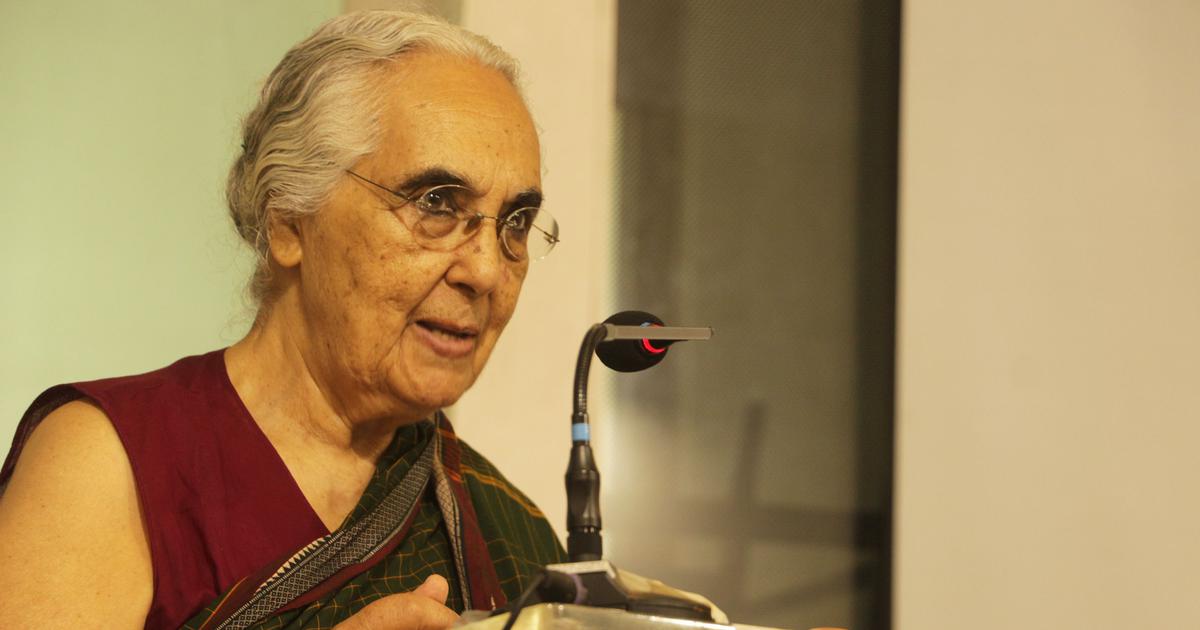
Romila Thapar, one of India’s most respected historians, recently shared her insights on the intersection of history and contemporary environmental issues through her memoir. The narrative prominently features her discussions with prominent figures like Krishna Kumar and social activist Medha Patkar, who are deeply concerned about the plight of tribal communities impacted by the Narmada Dam project.
During a meeting that Thapar describes with clarity, Patkar articulated her frustrations regarding the forced displacement of tribal populations as the dam’s height was increased. Each time this occurs, entire settlements are submerged, and the need for rehabilitation becomes urgent and pressing. Patkar’s clear and unwavering stance highlighted her strong advocacy for the rights of these communities, emphasizing that rehabilitation must involve relocating affected individuals to higher, fertile lands to ensure their future well-being.
Thapar notes how the consequences of such large-scale projects often seem to overshadow the rational and humane decisions that ought to accompany them. This sentiment resonates deeply in the context of India’s ongoing struggles with development and environmental sustainability. As these projects unfold, it’s crucial to consider the voices of those who are often left unheard—the indigenous communities who have lived on the land for generations.
The conversation took a pivotal turn when Patkar brought up the issue of archaeological sites disappearing beneath the waters of the Narmada. Thapar, ever the historian, recognized the significance of documenting these sites before it was too late. This became a crucial point of discussion, as she suggested the idea of launching a public interest litigation aimed at safeguarding these historical treasures from being lost forever under the dam’s floodwaters. The urgency of this proposal struck a chord, highlighting the need for a balance between development and the preservation of cultural heritage.
Thapar’s reflection in her memoir serves as a reminder of the responsibilities historians and academics have in advocating for the marginalized in society, especially when their history is at stake. As India grapples with the complexities of progress and preservation, voices like Thapar’s become vital in shaping a narrative that honors both development and the rich tapestry of its diverse cultures.