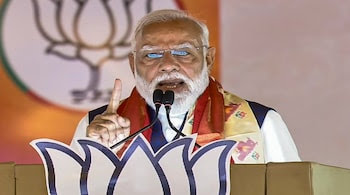
On May 11, 2026, Prime Minister Narendra Modi addressed the nation from Hyderabad, moving away from a traditional political stance to issue a strategic call for collective economic discipline.
Unlike the health-focused appeals of the pandemic era, this message was rooted in energy security and national interest, urging citizens to adapt their lifestyles to help India navigate a period of intense global economic volatility and geopolitical tension.
“In this time of global crisis, let us make a resolution keeping duty paramount.”
A Pivot to Economic Resilience
Addressing a massive gathering, the Prime Minister highlighted how international conflicts have disrupted global supply chains and sent the cost of essential imports—like crude oil and fertilizers—skyrolling. He framed the nation’s economic health not just as a government responsibility, but as a shared civic duty.
”The world is feeling the weight of energy insecurity today,” the PM stated. “Every drop of fuel saved and every gram of gold not bought is a contribution to the strength of our Rupee and the security of our future.”
The 7-Point Lifestyle Resolution
The Prime Minister outlined specific behavioral changes intended to curb the outflow of foreign exchange and reduce the national import bill:
Reviving Remote Work: A strong recommendation for businesses to adopt Work-From-Home (WFH) models where possible to reduce daily fuel consumption from commuting.
Public Transport & Carpooling: Encouraging a shift toward metros and shared mobility to lower the demand for petrol and diesel.
Curbing Gold Purchases: A request to citizens to avoid non-essential gold investments temporarily, as gold remains one of India’s largest imports.
Postponing Foreign Travel: A call to delay luxury overseas vacations and “destination weddings” for at least a year, promoting domestic tourism instead.
Natural Farming: Asking farmers to reduce the use of chemical fertilizers by 50% to lower import dependence and protect soil health.
Energy Conservation: Rapid adoption of solar-powered irrigation and rooftop solar systems.
Support for ‘Made in India’: Reaffirming the “Vocal for Local” mission, specifically mentioning that by the end of 2026, India-made semiconductor chips will be available in the market.
The Strategy of “Jan Andolan”
By invoking the spirit of the Swachh Bharat and Aatmanirbhar Bharat movements, the Prime Minister is attempting to turn economic policy into a Jan Andolan (People’s Movement). The appeal suggests that individual “austerity” in the middle class and lifestyle changes in rural farming can act as a collective shield against global inflation.
Conclusion: Duty Over Convenience
The Prime Minister’s address serves as a sobering reminder that India’s growth is inextricably linked to global stability. By asking the nation to “postpone” certain luxuries, the government aims to shore up its foreign exchange reserves and insulate the domestic economy from external shocks.
As the PM concluded: “Self-reliance is not just about imports and exports; it is about our collective capability as a nation to stand firm when the world is in turmoil.”
Key Takeaway: The 2026 appeal marks a shift in Indian governance where “National Interest” is being directly linked to the daily habits, travel choices, and spending patterns of the common citizen.