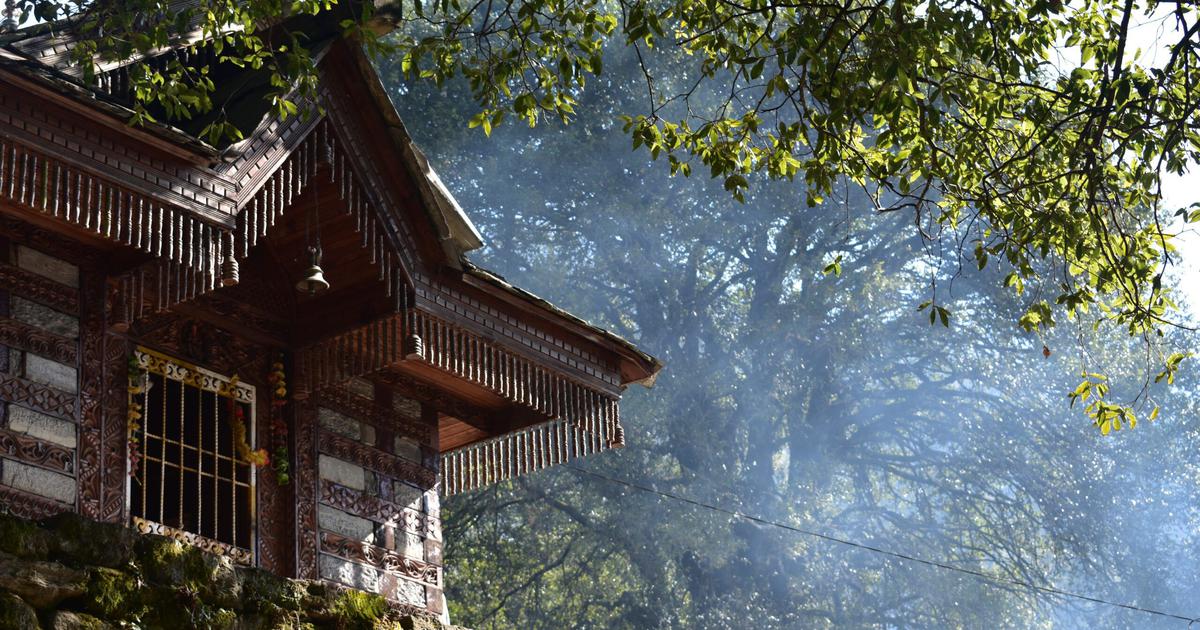
In the picturesque state of Himachal Pradesh, nestled in the lap of the Himalayas, the intricate interplay between traditional beliefs and modern influences is reshaping the landscape of forest conservation. Known for its breathtaking views and revered sacred groves, the state offers a fascinating glimpse into how culture, spirituality, and environmental stewardship converge.
The Dev Vans, or sacred groves, are integral to Himachal Pradesh’s identity, revered as sacred realms of local deities known as devtas. These forest patches are more than just areas of greenery; they embody the spiritual essence and cultural heritage of the communities. The age-old customs dictate a strict code of conduct: tree felling, leaf collection, and even the consumption of alcohol or meat are strictly forbidden within these divine spaces. This reverence for nature is underscored by the belief that disrespecting these areas could invoke the wrath of the gods, a sentiment echoed by Anurita Saxena, Principal at Rajkiya Kanya Mahavidyalaya, Shimla, who has dedicated years to studying the region’s cultural practices.
Himachal Pradesh, often dubbed the “Land of Unknown Gods,” stretches over 55,673 square kilometers and is home to 514 documented sacred groves. These groves are strategically located across valleys and hills, typically near settlements, temples, and vital water sources. This geographical placement has fostered a deep connection between the people and their environment, with rituals and festivals revolving around these sacred sites reinforcing community ties. In the high-altitude areas of the state, where access to resources can be limited, the sacred groves play a pivotal role in sustaining the ecosystem and preserving biodiversity.
The functions of sacred groves extend beyond mere protection of the environment; they are focal points for community gatherings and rituals. Under the canopies of these ancient trees, ceremonies are performed, celebrating the bond between the inhabitants and their surroundings. In many villages, these sanctified forests are adjacent to temples and overseen by caretakers known as kardars, who regulate access and ensure adherence to the customs. This structured governance highlights the significance of community participation in conservation efforts, where local beliefs serve as a robust framework for maintaining ecological balance.
However, as tourism and migration trends evolve, the age-old belief systems that have safeguarded these forests for generations are facing new challenges. The influx of tourists and changing lifestyles are gradually altering the local attitudes towards forest conservation. While tourism brings economic opportunities, it also poses risks to the delicate ecosystems that the sacred groves represent. With increasing footfall, the very practices that once protected these areas are now being tested as communities grapple with the need for development amidst preservation. Yet, the resilience of these traditional beliefs remains strong, serving as a potent reminder of the interconnectedness of faith, culture, and nature.
In conclusion, the sacred groves of Himachal Pradesh encapsulate a rich tapestry of cultural heritage and environmental stewardship. As tourism and migration continue to reshape the landscape, it is imperative to find a balance that honors traditional practices while embracing modernization. The journey ahead may be fraught with challenges, but the community’s bond with their sacred forests remains a testament to the enduring power of belief in preserving nature’s sanctuary.