Chronic Obstructive Pulmonary Disease (COPD) stands as one of the most significant health challenges globally, claiming 3.5 million lives in 2021 alone. While many perceive COPD primarily as a condition affecting older smokers, this view oversimplifies a complex disease that often evolves silently over several years. In India, the increasing prevalence of COPD not only underscores a pressing public health issue but also highlights the urgent need for awareness and early intervention.
COPD encompasses a range of long-term lung conditions that hinder airflow, primarily leading to chronic bronchitis and emphysema. The gradual deterioration of lung function can remain unnoticed for years, leading to a delayed diagnosis often when the damage is irreversible. Common symptoms such as persistent coughing, production of mucus, and shortness of breath tend to manifest later in life, reinforcing the stereotype of COPD as an ailment of the elderly. However, it is crucial to recognize that the roots of this disease often lie decades back, with harmful lifestyle choices and environmental factors contributing to its development.
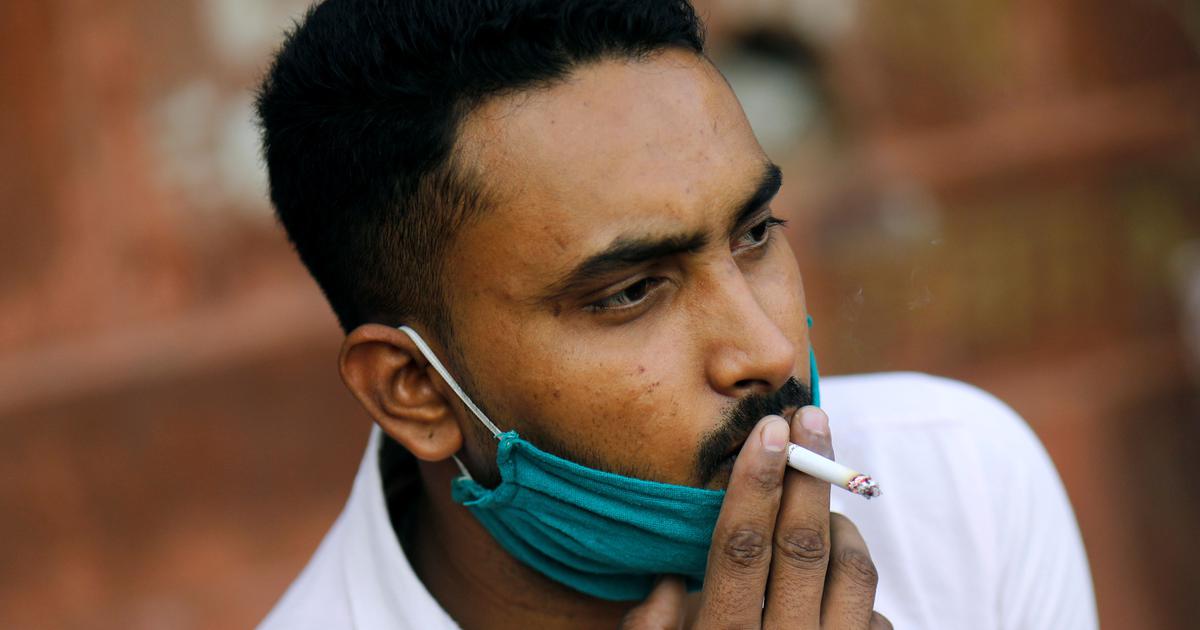
In India, the primary culprit for COPD remains cigarette smoking, which introduces a plethora of toxic chemicals into the lungs. Despite increasing awareness regarding the dangers of smoking, many still underestimate its impact, particularly in rural areas where tobacco consumption remains high. Additionally, air pollution, a growing menace in urban centers, exacerbates the situation. The combination of vehicular emissions, industrial pollutants, and indoor smoke from cooking fuels creates a toxic environment that can accelerate the onset of respiratory diseases.
With the slow progression of COPD, it is easy for individuals to dismiss early symptoms as mere signs of aging or temporary ailments. This delay in recognizing the disease can lead to significant health complications and a decline in the quality of life. While treatments are available to manage symptoms and improve lung function, there is currently no cure for COPD. Thus, early detection is crucial to mitigate the irreversible damage associated with the disease.
To combat this emerging health crisis, it is imperative for the Indian healthcare system to prioritize awareness campaigns aimed at educating the public about the risk factors and early symptoms of COPD. Healthcare providers must also be trained to recognize the signs of COPD in younger patients, particularly those with a history of smoking or exposure to environmental irritants. By fostering a culture of proactive health management, India can take significant strides in reducing the burden of COPD and improving the overall health of its population.