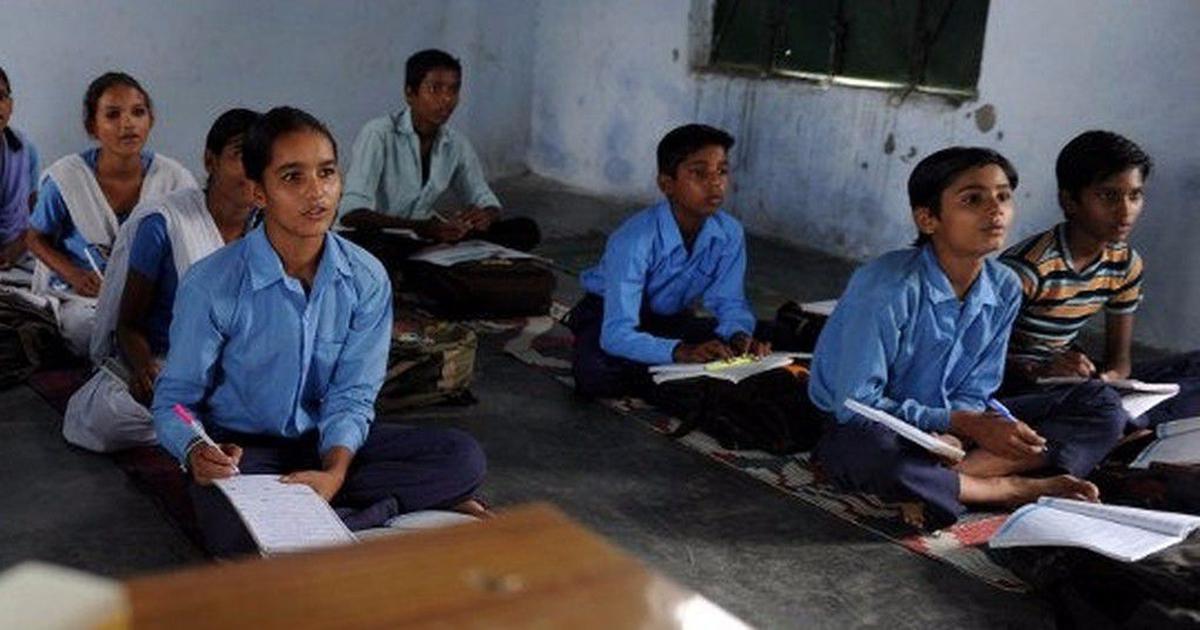
The Central Board of Secondary Education (CBSE) has announced a significant educational reform by making the study of three languages compulsory for students entering Class 9, starting from July 1. This directive aims to enhance linguistic diversity and align the academic curriculum with the National Education Policy (NEP) 2020 and the National Curriculum Framework for School Education 2023.
According to a circular released by the board, students are required to choose at least two Indian languages as part of their curriculum. The third language may be a foreign language, but only if the other two selections are native to India. Alternatively, students may choose a foreign language as an additional fourth subject, offering them greater flexibility in their linguistic education.
This new policy is a strategic move to promote the use of regional languages and ensure that students have a strong foundation in their cultural heritage. The emphasis on Indian languages is expected to foster a sense of national identity among young learners while also preparing them for a globalized world where multilingualism is increasingly valued.
In a bid to alleviate the stress often associated with examinations, the CBSE has decided that there will be no board examination for the third language in Class 10. Instead, assessments for this subject will be conducted internally by the respective schools. This approach is designed to prioritize the learning experience, allowing students to focus on mastering languages without the pressure of standardized testing. The results of these internal evaluations will be included in the students’ final examination certificates, ensuring that their efforts are recognized.
The board also reassured parents and students that the new language requirement would not hinder a student’s ability to sit for the Class 10 board examinations. Therefore, any student who fulfills the language criterion will still be eligible for the assessments that matter most to their academic progression.
As schools prepare for this transition, they will temporarily utilize Class 6 textbooks for teaching the third language. This interim solution will remain in effect until tailored learning materials are developed and integrated into the curriculum. The CBSE has made provisions for this adaptation to ensure that schools can smoothly implement the new policy while maintaining educational standards.
With the inclusion of 19 scheduled languages in the curriculum, such as Assamese, Bengali, Gujarati, Kannada, and Marathi among others, this initiative not only promotes linguistic variety but also acknowledges the rich tapestry of India’s cultural landscape. By encouraging students to learn multiple languages, the CBSE seeks to cultivate a generation that is not only academically proficient but also culturally aware and globally competent.