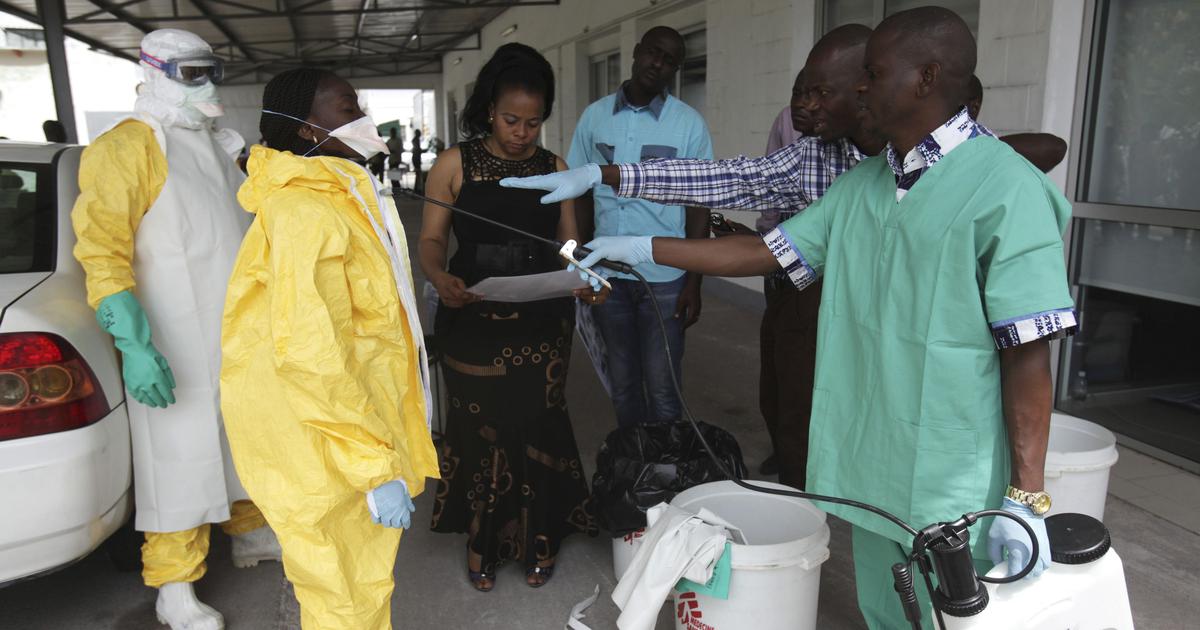
The World Health Organization (WHO) has officially classified the escalating Ebola outbreak in the Democratic Republic of Congo (DRC) and Uganda as a public health emergency of international concern. This significant announcement came on Sunday following the alarming reports of eight confirmed Ebola cases, along with 246 suspected cases and 80 suspected fatalities in the Ituri province of the DRC.
The situation has worsened with additional cases emerging in the capital city of Kinshasa and nearby Uganda, raising fears of a wider spread. The outbreak is linked to the Bundibugyo strain of the Ebola virus, which has previously been associated with severe health crises in the Central African region. While the WHO indicated that this outbreak does not currently fulfill criteria to be labeled a pandemic, the rising number of suspected cases and related deaths in Ituri suggests a potentially more extensive crisis is looming.
Ebola is a notorious virus characterized by severe symptoms that begin with sudden fever, intense fatigue, and muscle pain, rapidly advancing to more serious conditions such as vomiting, diarrhea, and even internal and external bleeding. The disease is transmitted through direct contact with the bodily fluids of infected individuals, making it imperative for health authorities to act swiftly to contain its spread. The absence of a proven cure for Ebola poses a significant challenge, as the disease carries an average fatality rate of approximately 50%.
This alarming situation has ignited concerns not only within affected countries but also across the globe, especially in regions with historical ties to the virus. The interconnectedness of today’s world means that outbreaks can quickly transcend borders, compelling nations to remain vigilant and prepared for any possible emergence of the virus within their territories. The Indian health authorities are closely monitoring developments and are on alert to implement preventive measures should the need arise.
In response to the outbreak, the WHO is mobilizing resources and support for the affected regions, emphasizing the importance of early detection, contact tracing, and community education to mitigate the spread. The agency continues to advise countries, including India, to strengthen their public health systems and preparedness, ensuring they are equipped to handle any potential cases that may arise.