Rediscovering Individualism: The Timeless Relevance of Theodore Dreiser’s ‘Sister Carrie’
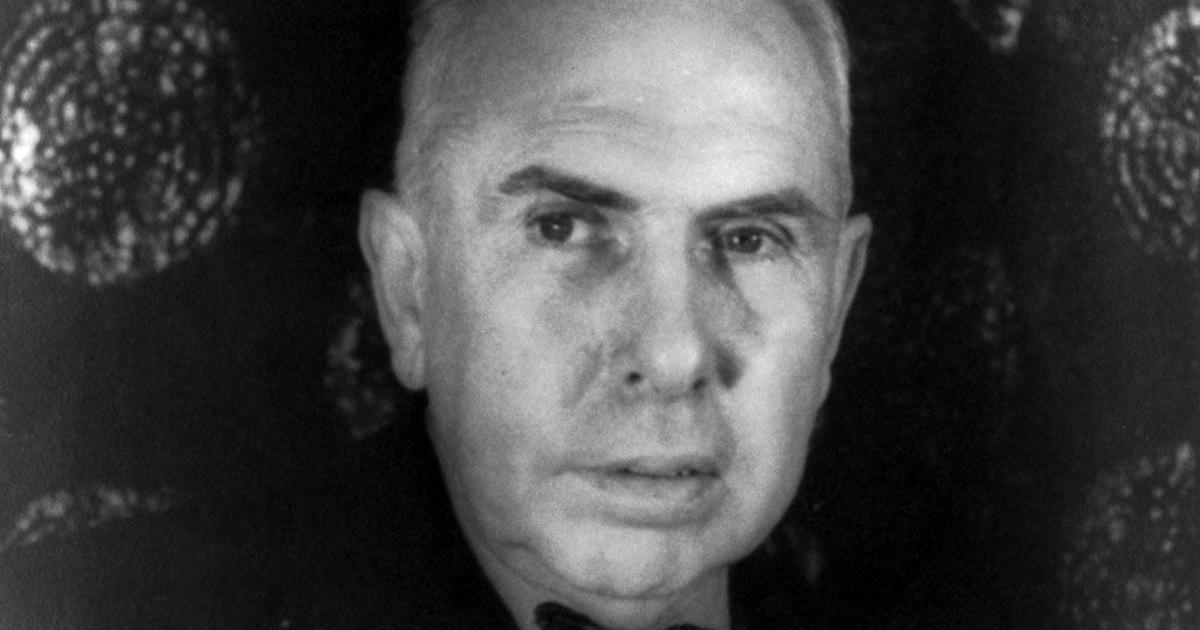
In an age where urban life often feels overwhelming yet exhilarating, Theodore Dreiser’s seminal work, Sister Carrie, continues to resonate deeply with readers. Originally published in 1900, this novel not only depicts the struggles of a young woman but also serves as a prophetic exploration of individualism against the backdrop of a burgeoning cityscape.
Set in the vibrant and bustling 1880s Chicago, a period marked by peace and prosperity before the upheaval of World War I, Sister Carrie encapsulates the journey of its titular character from a small town to the heart of urban America. Carrie Meeber, modestly educated and equipped solely with her determination, embarks on a quest for self-identity and success in a world rife with challenges. Her story reflects the aspirations and struggles of countless individuals who migrate to cities in search of better opportunities, a theme that is particularly relevant in contemporary India where urban migration is at an all-time high.
Upon arriving in Chicago from the quaint Columbia City, Carrie finds herself living in a cramped apartment alongside her sister and brother-in-law. The stark contrast between her ambitious dreams and the grim reality of her low-paying jobs in dingy shops weighs heavily on her. Despite the city’s vibrant atmosphere and myriad possibilities, she grapples with the monotony and the toil that often accompanies the pursuit of economic stability. Her situation resonates with many urban dwellers today, who frequently find themselves caught in the grind while chasing their aspirations.
The turning point in Carrie’s life comes after a brief illness leads to her losing her job. This unfortunate turn of events coincides with the attention of Drouet, a charming traveling salesman who is captivated by her spirit. It is through her interactions with him that Carrie begins to see glimpses of a different life—one where her dreams could potentially materialize. However, this new relationship also raises questions about dependency, ambition, and the complexities of love in a rapidly changing society.
Dreiser’s narrative not only delves into Carrie’s personal journey but also serves as a broader commentary on the human condition amidst the challenges of urban existence. His portrayal of a woman striving for autonomy and success in a patriarchal society mirrors the ongoing struggles faced by women in India today, where societal expectations often clash with personal ambitions. As Carrie navigates her choices, readers are compelled to reflect on the price of individualism and the sacrifices one makes in the pursuit of their dreams.
In conclusion, Sister Carrie remains a poignant exploration of the complexities of urban life and the relentless pursuit of personal identity and success. Its themes of ambition, resilience, and the quest for selfhood continue to inspire readers across generations, making it a timeless classic that offers valuable insights into the human experience. As India continues to evolve with its urban landscapes, Carrie’s story serves as a reminder that the journey towards individualism is both challenging and enriching.